
Refrigeration & HVAC monitoring
Refrigeration,
in view.
Our own sensors read temperature, compressor current and door activity, separate from your refrigeration controller.
The AI service brief and equipment outlook start after 30 days of data from your store.
Every store.
Most urgent first.
The facilities manager sees what’s wrong, where, and what to do next.
One unit.
Everything it’s doing.
The current temperature, the last 24 hours, the door and the compressor, on one screen.
A night of a failure · sample
2 AM. Someone already knows.
-
1:52 AM
The walk-in starts warming.
The door is closed and the compressor is running nonstop. Morphy sees the temperature climb faster than this unit’s normal.
Morphy reading 41.2°F Rising
-
1:55 AM
The store manager gets a text.
The store is closed. Nobody answers.
Morphy reading 43.0°F Rising
Text to the store manager · Morphy
Morphy Alert: Walk-in cooler at Hendersonville #214 — temperature rising fast, now 43°F. Please check it. Reply OK to acknowledge.
-
2:15 AM
Twenty minutes. No recovery, no reply.
The alert goes to the facilities manager for that region.
Morphy reading 47.1°F Rising
Text to the facilities manager · Morphy
Morphy Alert: Walk-in cooler at Hendersonville #214 — temperature rising fast, now 47°F. No response in 20 min; please dispatch service. Reply OK to acknowledge.
-
2:24 AM
A work order goes out.
The facilities manager dispatches through ServiceChannel to the vendor for the area. In Tennessee, that’s Ozmon & Company.
Morphy reading 48.9°F Technician on the way
In the Morphy app · Dispatch
Walk-in cooler, Hendersonville, TN. Vendor for this store: Ozmon & Company. Open in ServiceChannel.
-
4:48 AM
Fixed before the morning shift.
The technician clears an iced evaporator coil. The readings and the technician’s notes stay with the event.
Morphy reading 36.2°F Recovered
Text to the store and facilities managers · Morphy
Morphy: back to normal — Walk-in cooler at Hendersonville #214 (temperature rising fast, now 49°F). No action needed.
Alerts
Every alert reaches a phone.
Alerts climb until someone acts. A door left open goes to the store. A unit that isn’t recovering goes to the person who can send a technician.
-
The store, right away
The store manager gets a text the moment a unit needs attention. Most alerts are a door.
-
Your facilities manager, after 20 minutes
If the unit hasn’t recovered and nobody has acknowledged the alert, it goes to the facilities manager for that region.
-
Your vendor, through ServiceChannel
The facilities manager dispatches through ServiceChannel to the vendor that covers the store. In Tennessee, that’s Ozmon & Company.
Emergencies go straight to the facilities manager: a compressor that stops, a sensor that goes offline on a running unit, or possible controller tampering. A natural gas alarm texts the store manager and the facilities manager at once.
Know where to look.
Each person sees what they need, and only their own stores. Nobody can change equipment from Morphy.
Facilities managers
Every store you cover, most urgent first. Set the thresholds and who gets alerts, and pull reports.
Store managers
Is my cooler OK? The current temperature, the last 24 hours, and who to call. Nothing to set up.
Technicians
The unit you were sent to, with its temperature, current and door history.
Protection
Separate by design.
Monitoring that reads through the refrigeration controller sees what the controller reports. Morphy measures for itself.
The sensors we add.
Our own sensors, on our own cellular connection.
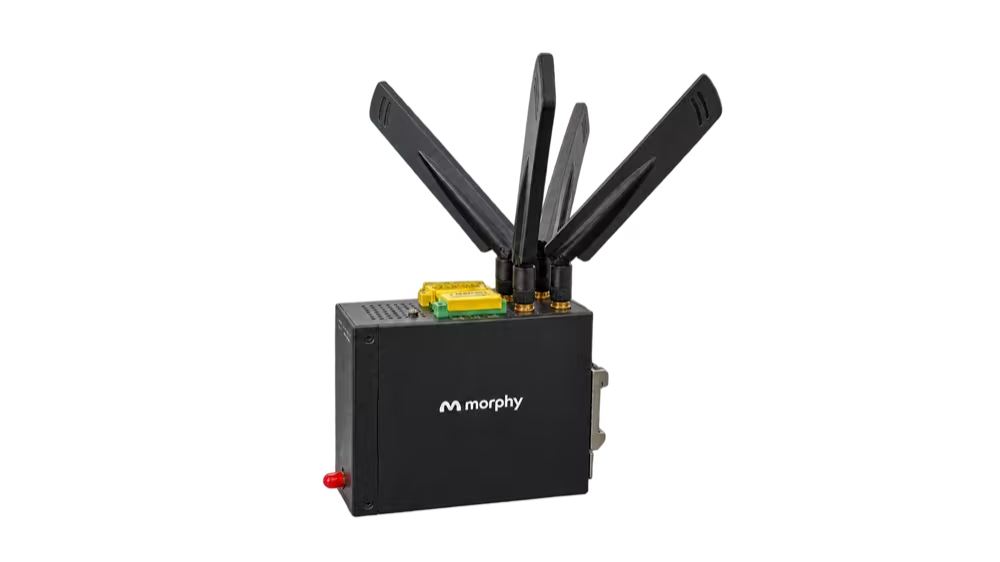
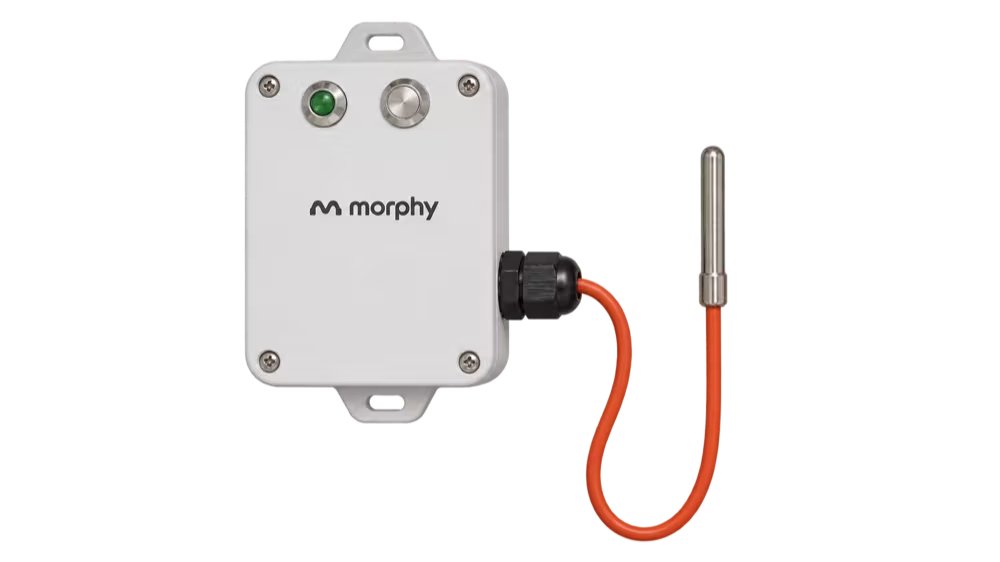
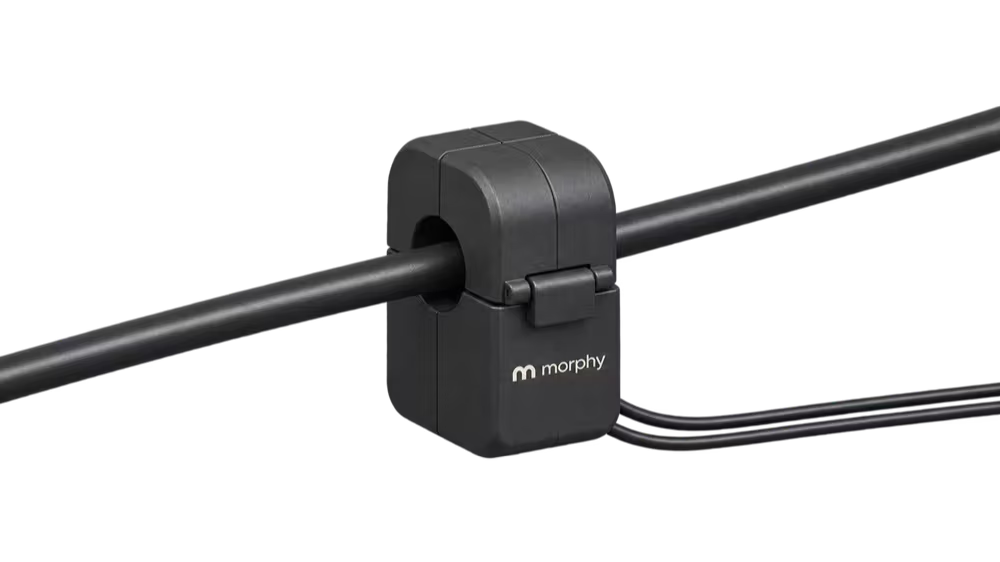
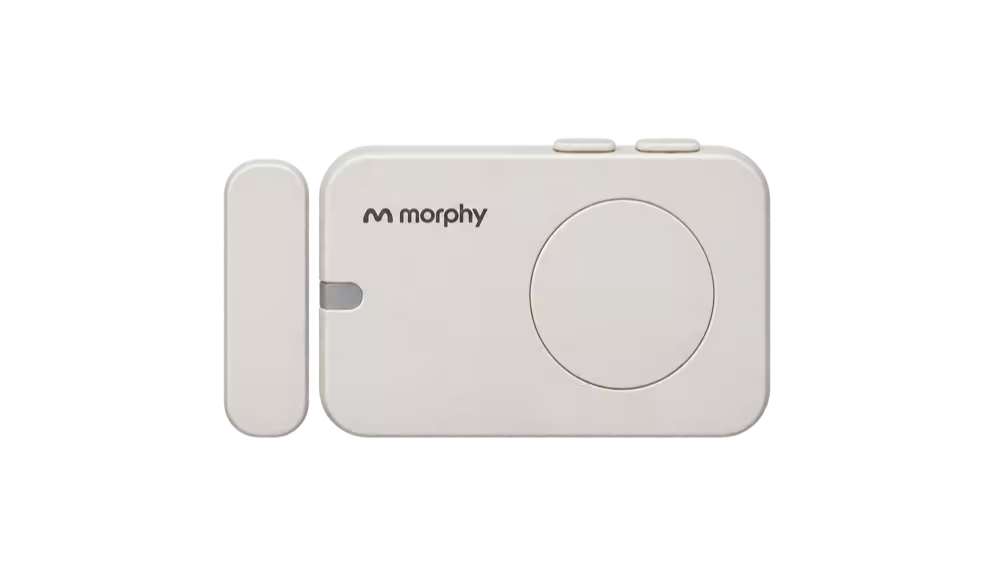
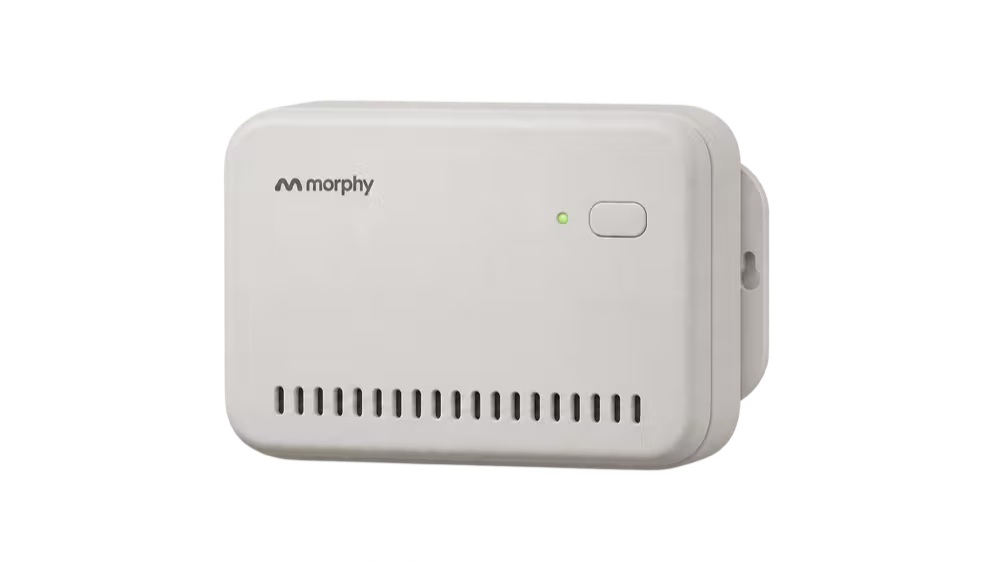
Hardware shown as concepts.
Thirty days in.
Every unit’s month at a glance: temperature, door openings and compressor run time.
No store network.
No IT ticket.
One cellular gateway per store. The installer scans each sensor’s label and taps the unit it goes on.
Keep the equipment you own.
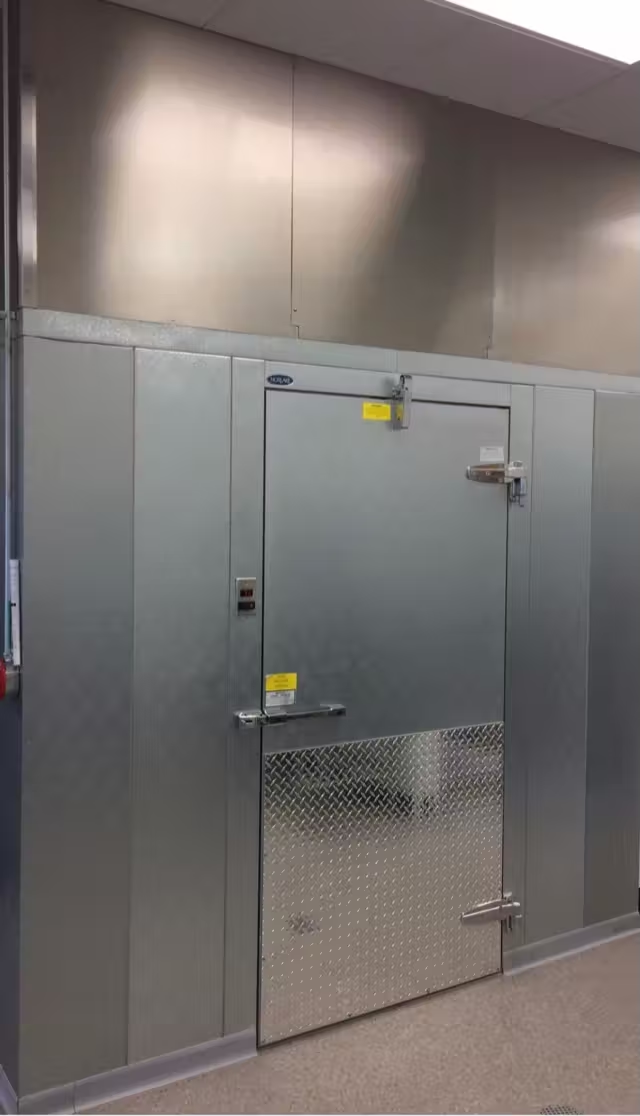
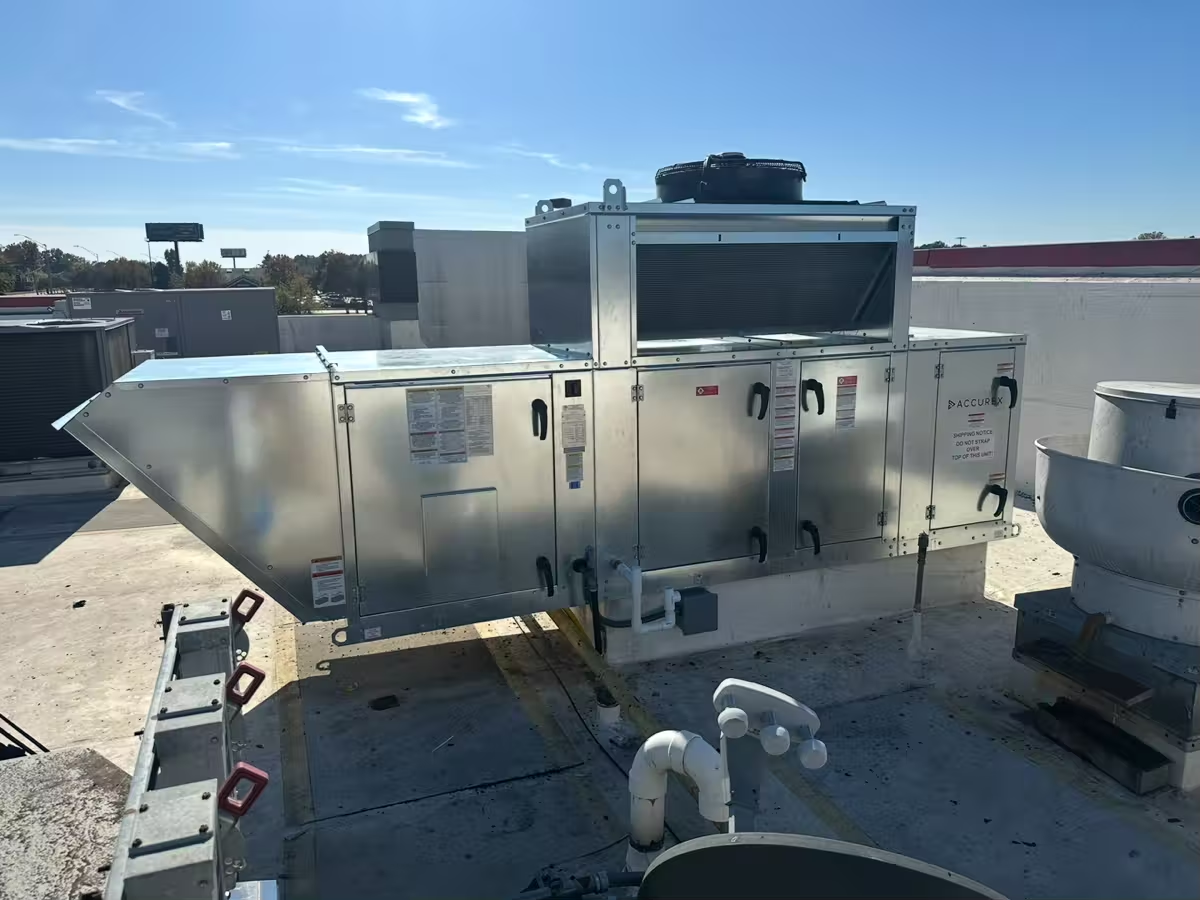
Morphy monitors the refrigeration and HVAC equipment you already own, from walk-ins to ice machines.
Pricing
One price per store, per month.
Sensors, gateway and cellular service are included, on a 12-month term.